Ensuring the water we consume is safe and free from contaminants is a fundamental necessity. One advanced technology making this possible is UV-C sterilization, used effectively in modern water dispensers. This innovative method destroys harmful bacteria and microorganisms without introducing chemicals. But how exactly does UV-C sterilization work, and why is it crucial for water dispensers today?
UV-C sterilization is a proven technique for killing microorganisms in water dispensers. It works by using ultraviolet light to disrupt the DNA of bacteria and viruses, ensuring safe, clean water for consumption. NSF-certified UV-C systems have gained widespread trust as an effective, non-invasive disinfecting solution.
UV technology offers immense benefits, but it’s important to understand its mechanisms, challenges, and regulatory considerations. Let’s dive deeper into what makes UV-C sterilization such a powerful tool for water safety.
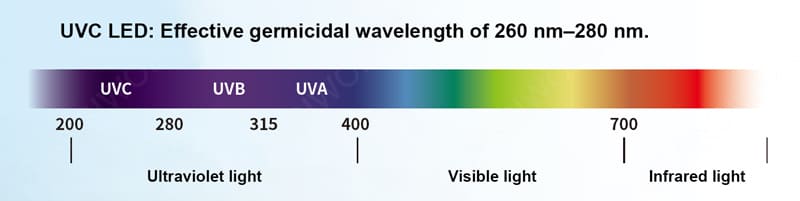
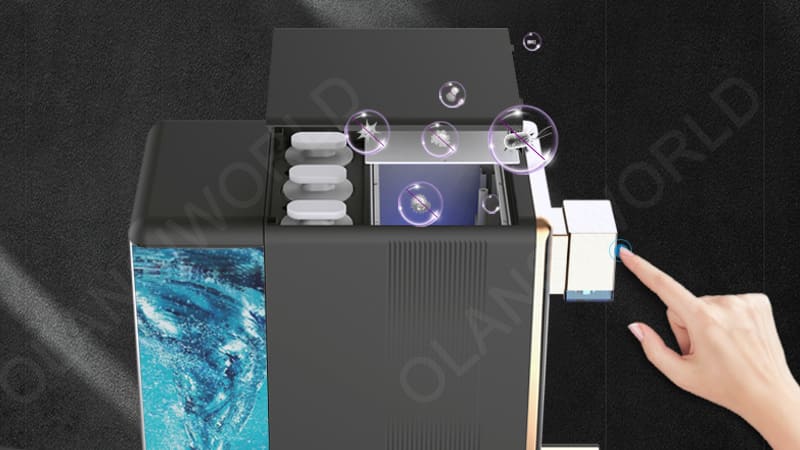
Imagine having a water dispenser that not only filters contaminants but actively kills harmful microorganisms. UV-C sterilization achieves this by using ultraviolet light with wavelengths between 200–280 nanometers, focusing on eliminating bacteria, viruses, and pathogens.
UV-C light penetrates cellular walls of microorganisms, targeting their DNA. It disrupts reproduction and causes cell death, effectively sterilizing water. This guarantees water free from harmful microbes, ensuring both safety and freshness.
Dive Deeper: UV-C Technology and Its Benefits
UV-C technology specifically targets the genes of harmful microbes, ensuring they cannot reproduce. Here’s why this matters:
1. High Effectiveness: UV-C light eliminates up to 99.99% of microorganisms commonly found in water, including bacteria like E. coli and viruses like norovirus.
2. Chemical-Free Process: Unlike chlorine or other additives, UV-C does not introduce foreign chemicals into the water, making it a safe method for sterilization.
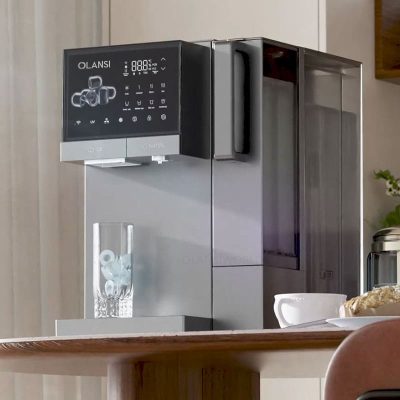
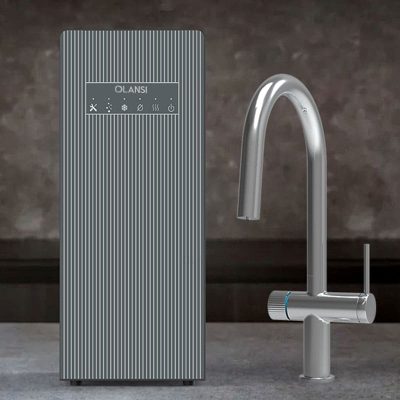
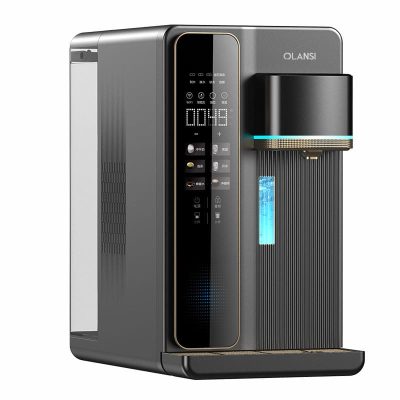
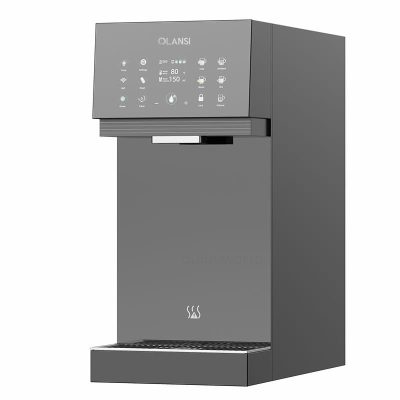
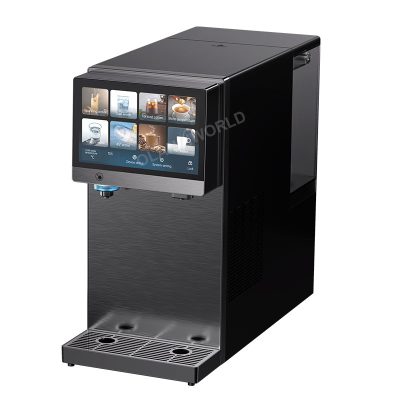
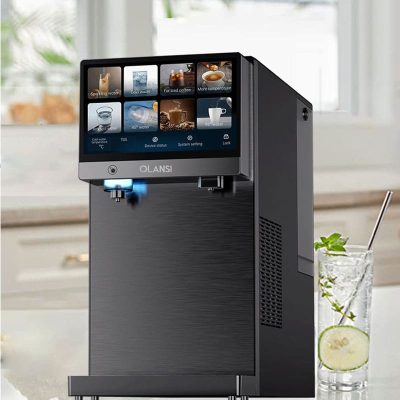
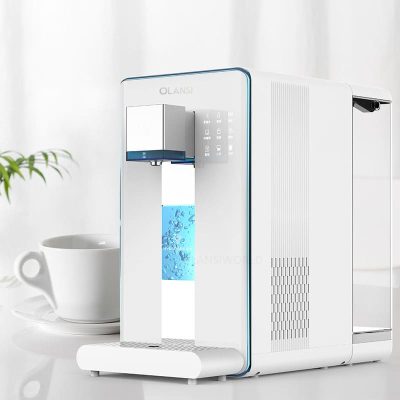
3. Invisible Protection: Many modern water dispensers integrate UV-C sterilization systems in dispensing nozzles or water tanks, so consumers enjoy purified water without added steps.
These systems are widely recognized by institutions like the NSF (National Sanitation Foundation) for their safety.


Water dispensers often contain hidden risks due to prolonged use. Even with filtration systems, bacteria can proliferate in reservoirs, filter parts, and pipelines. This can lead to secondary contamination, compromising water quality.
Integrated UV-C sterilization provides an extra layer of protection, ensuring bacteria levels remain low while offering visibly improved water purity. It’s an essential feature, especially for water dispensers in high-use environments such as offices or public spaces.
Dive Deeper: Tackling Common Challenges in Water Dispensers
UV light aids in addressing critical issues that most filtration methods overlook:
♦ Second-hand contamination: Over time, debris and bacteria accumulate in pipes and storage areas of water dispensers. UV-C sterilization eliminates lingering microbes regardless of build-up.
♦ Forgotten maintenance: Many users neglect to change filters or clean dispensers regularly, leading to bacterial growth. UV-C acts as a backup, consistently disinfecting water pathways.
♦ Consumer safety assurance: Even with ultra-filtration systems, invisible pathogens can escape filtration. UV-C sterilization ensures no bacteria, virus, or parasite survives to contaminate drinking water.
Adding UV sterilization to the final stage of water dispensing guarantees that every cup of water served is fresh, clean, and safe.
No system is without its drawbacks, and UV-C sterilization has its challenges, particularly regarding scope and reliance on compatibility. Let’s explore its limitations.
UV-C sterilization destroys microorganisms but does not remove chemical pollutants or heavy metals from water. Additionally, systems require regular power supply, specialized anti-UV materials, and clean water pathways for effective function.
Dive Deeper: Understanding UV-C Shortcomings
Here are some notable limitations of UV-C sterilization in water dispensers:
1. It doesn’t handle chemicals: UV-C is excellent for microbes but ineffective against chemical pollutants or metals like lead. Proper filtration systems should complement UV sterilization.
2. Dependency on clean pathways: Dirt or particles in water may block UV rays, limiting sterilization effectiveness. Pre-filtration is necessary.
3. Sensitive to materials: UV lamp components often demand specialized anti-UV plastics or glass. Regular wear and tear can result in material degradation.
4. Energy dependency: UV systems require an uninterrupted power supply to function optimally. Any disruption stops sterilization.
Future technologies might offset these issues, but for now, UV sterilization should always act as a complementary system alongside robust filtration.
As UV-C sterilization becomes more widespread, regulatory compliance is key to ensuring product safety and legal market acceptance in places like the U.S. The technology is effective, but manufacturers must navigate strict guidelines.
In the U.S., NSF certification and state-specific UV device registration is often required. Compliance with federal and regional regulations ensures that UV-C systems meet safety standards.
Dive Deeper: What Manufacturers Need to Know
♦ Anti-UV Material Certification: UV light is extremely harsh on materials, and manufacturers often need proof of resistance properties for key components.
♦ State-Level Registrations: Some U.S. states (as of 2023) are introducing additional requirements for UV sterilization devices, such as individual registrations or permits. Manufacturers need expert consultation to remain compliant.
♦ Federal Standards: Technologies need to meet minimum criteria outlines by federal bodies like the FDA or NSF.
For manufacturers dealing internationally, understanding these core requirements can streamline market entry and avoid costly penalties.
Is UV-C sterilization safe for drinking water?
Yes, UV-C sterilization is NSF-certified and employs ultraviolet light to destroy harmful bacteria and viruses safely without altering water composition. Many experts trust its safety.
Can UV-C sterilization replace filtration systems?
No, UV-C sterilization kills microbes but does not remove dirt, chemicals, or debris. It works best when combined with filtration systems.
What maintenance do UV-C systems require?
UV-C systems need regular cleaning and periodic replacement of UV lamps. Dust, dirt, or scaling can obstruct sterilization effectiveness.
How long does UV-C sterilization take in water dispensers?
UV-C sterilization happens almost instantaneously during water dispensing, guaranteeing safe water in real-time.
Are UV-C systems energy efficient?
Modern UV-C systems are energy-efficient, but they still depend on electricity and should be supplemented with power backups in unstable grid areas.
UV-C sterilization in water dispensers provides an effective chemical-free solution for eliminating harmful bacteria and viruses, ensuring water remains safe and sterile. While it has limitations, such as its inability to remove chemical pollutants, its integration with filtration systems ensures the healthiest possible water. For businesses marketing UV-C water systems, complying with federal and state regulations, including material certifications, is critical. Invest in UV-C sterilization technology to elevate trust and safety for consumers.
Want to know more about integrating UV-C sterilization systems into your product line? Contact us today to discuss how OLANSI can assist you with cutting-edge solutions!
Certifications
OLANSI Repsects Quality Standards


Something isn’t Clear?
Feel free to contact me, and I will be more than happy to answer all of your questions.
Enter you email below, so we can send you this valuable report.