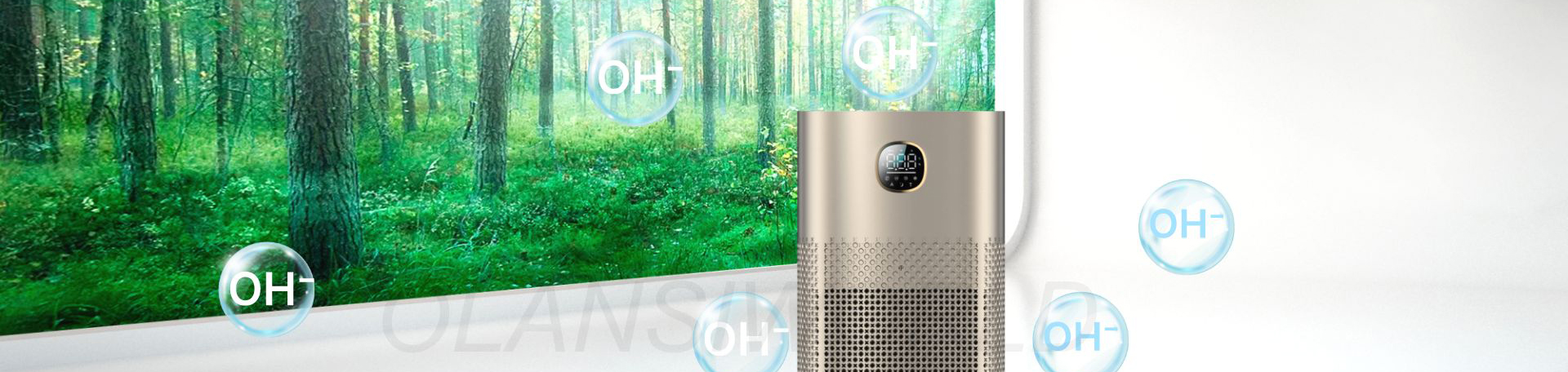
Water dispensers promise cleaner water without the plastic guilt. The problem is that single-use bottles pile up fast, and the hidden footprint of packaging and transport is huge. That stings. The solution is simple: tap-fed or filtered water dispensers cut plastic, lower emissions, and keep hydration easy—if you choose and use them wisely.
Yes—used correctly, water dispensers are more eco-friendly than plastic bottles. A plumbed-in dispenser filters tap water and avoids single-use plastics and trucked deliveries. Even tank-style and RO units can reuse “reject” water for cleaning and plants. You must account for electricity and filter changes, but overall footprint and waste drop significantly.
Most teams stop at “bottles bad, dispenser good,” but the details matter. Carbon footprint, water-rejection ratios, filter lifetimes, and supplier quality all shape your real-world impact. Let’s break down the trade-offs—and how to choose water dispensers that genuinely reduce waste and cost.
Bottled water feels convenient, but the emissions add up. That’s the problem. The frustration is seeing pallets of plastic arrive every week while your energy-saving policies limp along. The solution: switch to water dispensers connected to municipal supply and filter on-site. Fewer trucks. Less plastic. A much lighter carbon load.
A plumbed-in water dispenser typically beats single-use bottled water on life-cycle emissions because it removes most packaging and transport. There is still electricity for heating/cooling and periodic filter changes. However, over typical office usage, total CO2e per liter trends lower than bottled water by a wide margin.
Bottled water carries heavy footprint in packaging and transport. Water dispensers shift the footprint to modest electricity and filters.
| Factor | Single-use Plastic Bottles | Plumbed-in Water Dispensers | Delivered 5-Gallon Jugs |
|---|---|---|---|
| Packaging | High (PET, caps, labels) | Very low (filters only) | Medium (reusable jugs) |
| Transport | High (frequent deliveries) | Low (municipal pipes do the work) | Medium (periodic delivery) |
| Electricity | None for cold water | Low–moderate (chilling/heating) | Low–moderate (dispenser unit) |
| Waste | High (single-use plastics) | Low (replaceable cartridges) | Low (reusable jugs + cartridges) |
| Typical Footprint per Liter | High | Low | Medium |
I like to sanity-check with a simple scenario. Imagine 50 people drink an average of 1.5 liters per day, 250 workdays a year. That’s 18,750 liters annually. With 500 ml bottles, that’s about 37,500 bottles. Even with strong recycling rates, a large share goes to landfill or ends up as microplastics. A plumbed dispenser cuts those bottles to zero and often reduces CO2e per liter dramatically.
Heating and cooling water does draw power, so choose energy-efficient machines with smart standby or instant-heating. In our own product evaluations, instant-heat designs avoid constant tank heating and can reduce idle energy significantly. Your use pattern matters, but in most offices, the packaging and trucking you eliminate beats the added electricity by a comfortable margin.
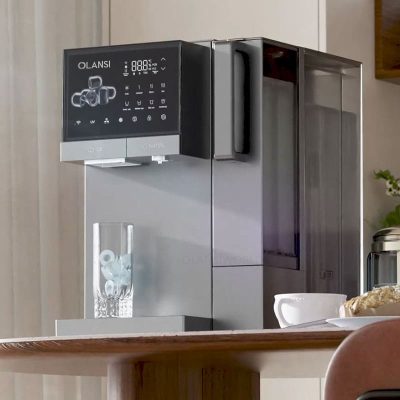
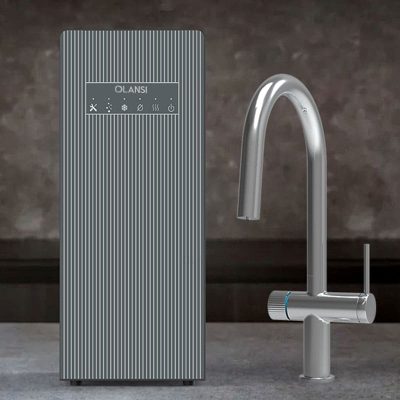
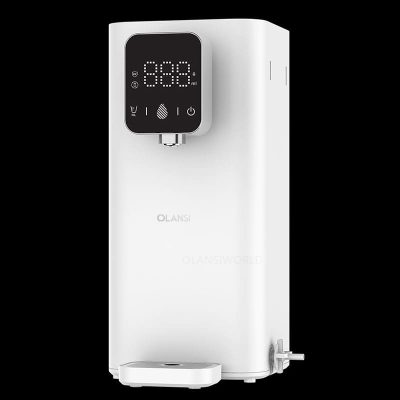
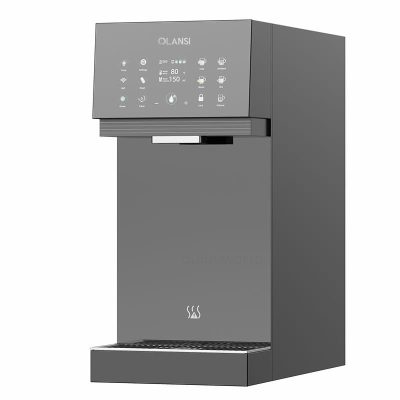
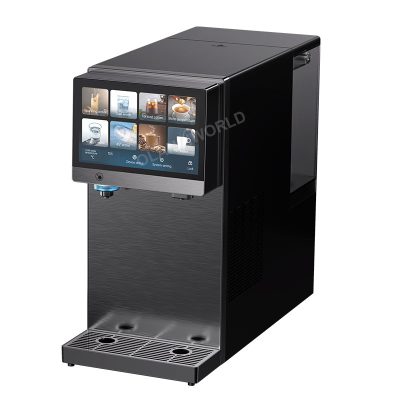
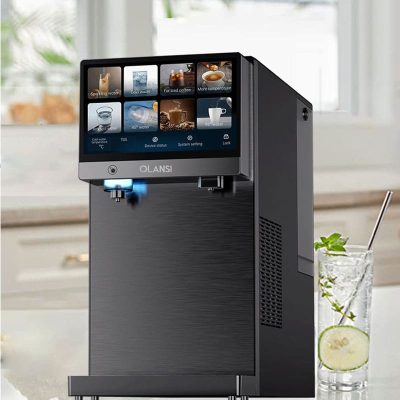
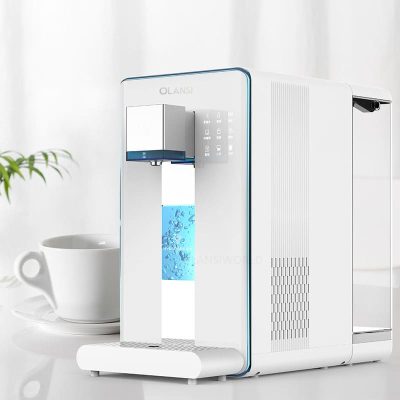
You want less plastic in your bins and less microplastic swirling through the environment. The pain is obvious: bottles everywhere. The fix is switching to water dispensers and personal cups or reusable bottles. That slashes single-use waste and reduces plastic shedding from bottle storage and handling.
Yes. Water dispensers eliminate single-use bottles at the source. You still have filter cartridges, but those are infrequent and smaller by weight than thousands of PET bottles. If your team uses reusable cups and bottles, you essentially remove single-use plastic from your hydration program.
Practical steps to maximize impact:
I once ran a “bring your mug” week and measured bin volumes. The bottle bag went from overflowing midweek to almost empty. Our facilities team thought their scales were broken. If you need an internal green win that people feel right away, water dispensers deliver it.
Remember, filter elements still count. Choose suppliers with take-back or clearly labeled, recyclable cartridge housings. Always validate any recyclability claims with your local facility because acceptance varies by region.
Reverse osmosis units reject a portion of water. That sounds wasteful. It can feel wrong to “throw away” anything. The solution is to pick modern, efficient RO water dispensers and reuse concentrate for non-potable purposes like mopping, plant watering, or toilet flushing.
RO water dispensers typically produce a concentrate stream with a pure-to-reject ratio ranging around 1:0.5 to 1:2, depending on membrane, pressure, and water quality. That concentrate is not “dirty”; it just contains higher mineral content. You can safely reuse it for cleaning, irrigation, or flushing where regulations allow.
Ways I’ve seen teams reuse RO concentrate effectively:
You can also reduce reject volume by:
If your application or local rules restrict reuse, talk with a facilities engineer to design an appropriate drain or gray-water solution. For specialized water specs (labs, healthcare), consult qualified professionals to match the system to your requirements.
Budget owners hate recurring bottle invoices and unpredictable deliveries. Costs creep. The solution is a total-cost-of-ownership view: water dispensers require capital, filters, and electricity, but they often beat bottled water costs within the first year for moderate usage.
For most offices, water dispensers deliver a lower total cost than bottled water. You have upfront hardware and scheduled filter changes, plus modest electricity. Avoided bottle purchases and delivery fees typically create payback within 6–18 months, depending on usage, local tariffs, and model selection.
Assumptions:
| Cost Item | Bottled Water | Water Dispensers |
|---|---|---|
| Annual drink volume | 18,750 L | 18,750 L |
| Packaging/delivery | ~$15,000 | $0 |
| Dispenser hardware (Year 1) | $0 | $1,600–$3,000 |
| Filters/year | $0 | $200–$600 |
| Electricity/year | $0 | $120–$300 |
| Total Year 1 | ~$15,000 | ~$1,920–$3,900 |
| Total Year 2+ | ~$15,000 | ~$320–$900 |
These ranges reflect typical B2B pricing and usage patterns we see. Your numbers will vary. Even with conservative assumptions, the financial case is strong, especially when you add the intangible benefits: fewer deliveries to manage, less storage, and cleaner sustainability reporting.
Pro tip: Choose instant-heat or smart-standby units to trim idle energy. And match capacity to your peak demand to avoid over-sizing.
You want eco gains without quality risk. The worry is buying pretty hardware with weak internals, missing documents, or limited capacity. The fix is a structured supplier evaluation: certifications, production scale, QA infrastructure, and real references.
Water dispensers should come from suppliers with proven QA systems, verified certifications, and the capacity to scale. Look for ISO 9001 and ISO 14001, third-party testing (e.g., RoHS, FCC, EMC, CB, 3C in China), and water-specific performance data. Verify all documents, don’t just accept logos on a slide.
Quality systems and compliance:
Manufacturing capability:
Product engineering and options:
References and after-sales:
Our own teams in Guangzhou Nansha operate Industrial 4.0-inspired lines with machine vision and flexible assembly to support multi-SKU runs. We rigorously follow ISO9001/14001 and maintain specialized labs for components and whole-unit testing. We encourage buyers to audit and verify all documents and performance claims; we’ll host you on-site or via remote audits.
Filter life is the wildcard. The problem is uneven water quality by city or even neighborhood. The frustration is replacing filters too soon—or too late. The solution: match filters to local TDS and hardness, monitor usage, and plan for roughly annual changes for most office conditions.
Most water dispensers have filter sets that last around 12 months in typical municipal conditions. High TDS or hardness reduces life. Expect staged filtration (PP sediment, carbon, RO membrane, post-carbon). Smart indicators and scheduled maintenance prevent performance drops and protect the RO membrane.
Common stack:
What affects lifespan:
Best practices:
I’ve seen one site double membrane life just by adding a better sediment prefilter. Small tweaks matter, and they pay off in both cost and sustainability.
Yes, for non-potable purposes. RO concentrate is tap water with higher dissolved solids, not hazardous waste. Use it for mopping, plant watering, or toilet flushing where regulations allow. Do not use it for drinking or cooking unless it is reprocessed appropriately. Always follow local guidelines.
Not usually. Modern instant-heat and smart-standby designs minimize idle losses. Cooling and heating still draw power, but avoided packaging and transport from bottled water typically outweighs this. Look for energy-saving modes, high-efficiency compressors, and insulation. Right-sizing the unit to your demand also helps.
Plan on about 12 months for typical office use, then adjust based on local water quality and throughput. High TDS/hardness shortens life. Many units include usage counters and indicator lights. Keep a maintenance log and verify water quality periodically to optimize change intervals.
Check ISO 9001 and ISO 14001 for factory systems. Verify third-party marks such as RoHS, FCC, EMC, CB, and 3C where applicable. For filtration performance, ask for test reports aligned with standards like NSF/ANSI 42/53/58 and confirm scope and lab credentials. Always verify documents directly.
Generally yes. Plumbed-in, tankless units reduce plastic and permanent hot-water standby losses, and they limit stagnation. However, site conditions vary. In low-pressure or poor water quality areas, hybrid or tanked designs with prefiltration may be more reliable. Evaluate based on your building’s water and usage profile.
Bottom line: water dispensers are more eco-friendly than plastic bottles when you choose efficient hardware, maintain filters on schedule, and reuse RO concentrate smartly. You cut plastic waste, reduce transport emissions, and often lower costs within a year. If you’re evaluating an OEM/ODM supplier, talk to us. We build high-quality water dispensers at scale, support custom features, and welcome audits so you can verify every claim.
Certifications
OLANSI Repsects Quality Standards


Something isn’t Clear?
Feel free to contact me, and I will be more than happy to answer all of your questions.

Enter you email below, so we can send you this valuable report.