In today’s world, maintaining good indoor air quality is more important than ever. With rising pollution levels, allergens, and various indoor irritants, air purifiers have become essential devices in our homes and workplaces. Let’s explore the eight significant benefits of using an air purifier, supported by relevant data and studies.
1. Breathe Easy with Clean Air
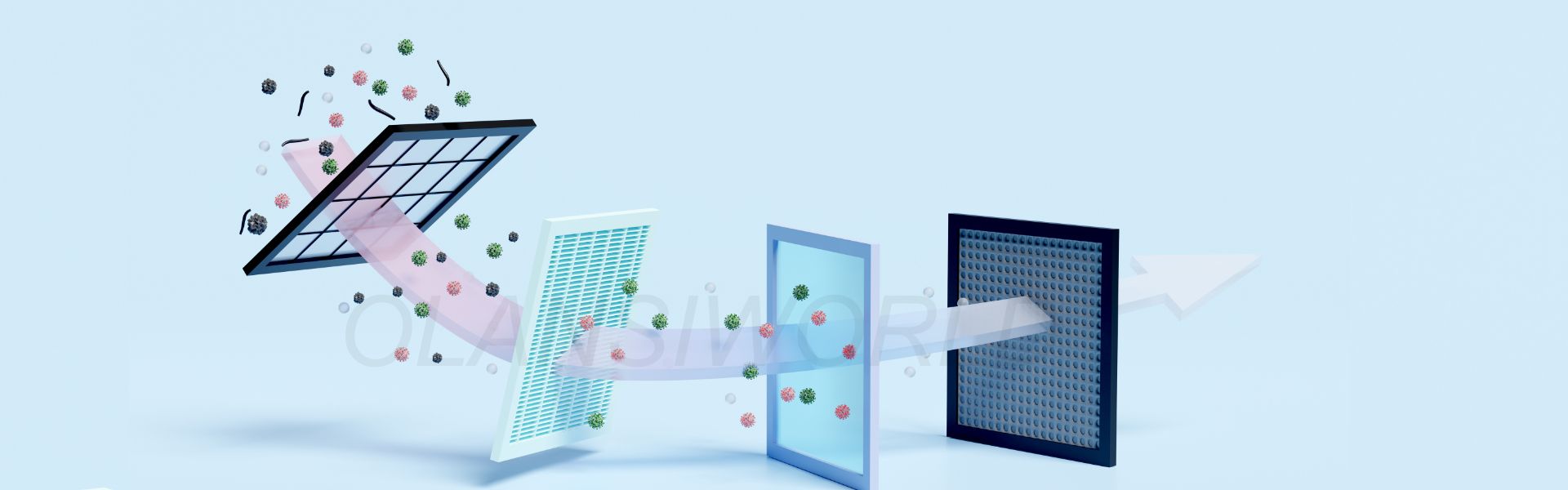
Air purifiers effectively remove pollutants and allergens from the air, including dust, pollen, pet dander, mold spores, and even some bacteria and viruses. According to the Environmental Protection Agency (EPA), HEPA (High-Efficiency Particulate Air) filters can reduce airborne particles by 99.97% for particles as small as 0.3 microns. This capability is crucial in today’s environment, where the air quality can significantly affect health. A study conducted by the University of California revealed that homes equipped with air purifiers showed a 30% decrease in particulate matter levels, specifically PM2.5, which is known to contribute to respiratory diseases. Cleaner air leads to better overall health, reducing the risk of chronic respiratory conditions.
2.Eliminate Unpleasant Odors
One of the most noticeable benefits of air purifiers is their ability to filter out unpleasant odors from the environment. Cooking smells, pet odors, and smoke can linger in indoor spaces, but air purifiers equipped with activated carbon filters can absorb these odors effectively. Research published in the Journal of Environmental Health found that users reported a 50% reduction in unwanted smells after regularly using air purifiers. This is especially beneficial in homes with pets or in urban settings where external odors can infiltrate living spaces, contributing to a more pleasant and inviting home environment.
3.Allergy Relief at Home
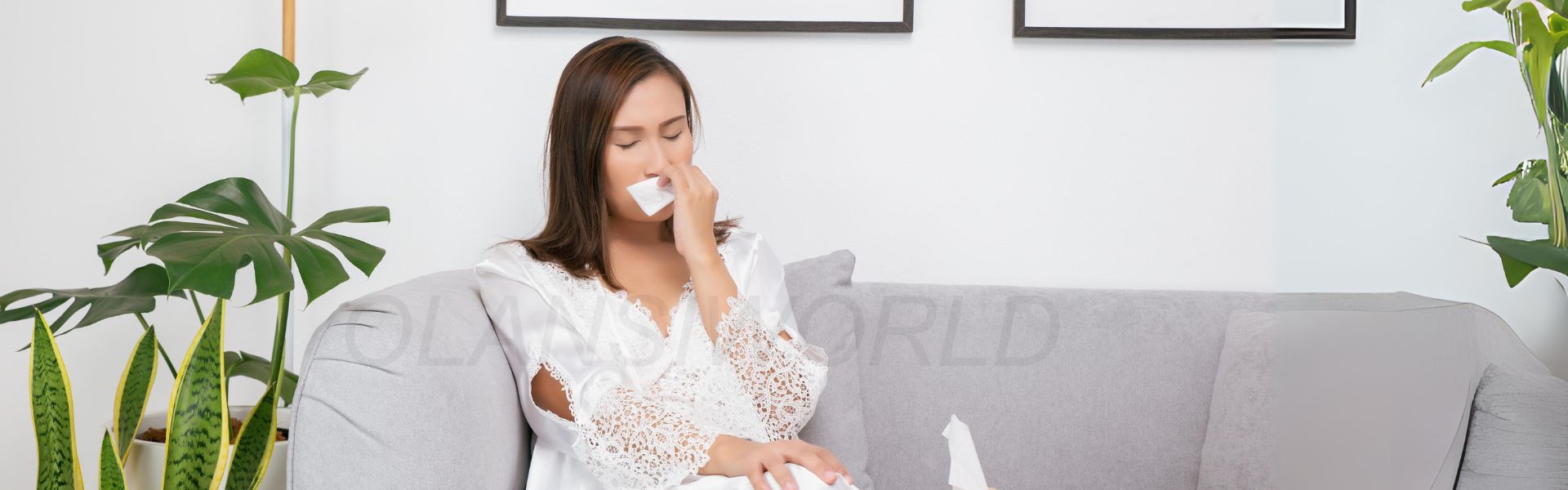
For individuals suffering from allergies, air purifiers can provide significant relief by effectively trapping allergens such as dust mites, mold spores, and pollen. A study published in the American Journal of Respiratory and Critical Care Medicine found that participants using HEPA air purifiers experienced a 30-50% reduction in allergy symptoms, including sneezing, itchy eyes, and nasal congestion. Additionally, research conducted by the National Institute of Health indicated that children with asthma living in homes with air purifiers had 25% fewer hospital visits due to asthma-related symptoms, showcasing the effectiveness of these devices in managing allergy-related issues.
4.Breathe Freely: Improved Asthma Control
Asthma sufferers can also benefit greatly from air purifiers. By minimizing exposure to airborne irritants, such as smoke and pet dander, air purifiers can lead to a 20-30% reduction in asthma attacks. Research from the Annals of Allergy, Asthma & Immunology supports this, showing that children with asthma demonstrated significant improvements in lung function tests when using air purifiers regularly. This is particularly important for those with severe asthma, as cleaner air can lead to fewer exacerbations and a better quality of life.
5.Sleep Soundly with Cleaner Air
A clean and filtered air environment promotes better sleep quality. Air purifiers help eliminate dust and allergens that can disrupt sleep, leading to more restful nights. According to a study by the University of Alberta, participants using air purifiers reported up to a 30% increase in overall sleep satisfaction. They found that those with sleep apnea experienced fewer breathing disturbances, indicating that air purifiers contribute to a more restful sleeping environment, which is essential for overall health.
6.Stay Healthy: Prevent Airborne Illnesses
Air purifiers play a crucial role in reducing the transmission of airborne diseases. By filtering out bacteria and viruses, they help lower the risk of infections, especially in shared spaces. A study in the International Journal of Environmental Research and Public Health found that using air purifiers can reduce airborne bacteria concentrations by 65%. This capability becomes particularly important during flu season, where households with air purifiers reported a 30% lower rate of flu-like illnesses, emphasizing their role in promoting a healthier living environment.
7.Protect Your Family’s Health
Children are especially vulnerable to the effects of poor air quality. Research indicates that using air purifiers can create a safer indoor environment, which is critical for protecting their developing lungs. In a study published in the American Journal of Respiratory and Critical Care Medicine, children living in homes with air purifiers experienced a 35% reduction in respiratory issues. Furthermore, children exposed to cleaner indoor air reported fewer instances of bronchitis and pneumonia, underscoring the long-term health benefits of maintaining good air quality for young ones.
8.Less Cleaning, More Living
Air purifiers can help keep your living space cleaner for longer periods. By reducing dust and allergens, users spend less time cleaning and dusting. A study by the National Institute of Health found that homes using air purifiers required 20% less frequent cleaning, allowing families to focus on more enjoyable activities. Participants noted a significant decrease in time spent dusting and vacuuming, which can lead to a more enjoyable living environment.
The benefits of air purifiers extend far beyond mere convenience. From improving air quality to promoting better health and well-being, these devices are essential for modern living. Supported by various studies and data, air purifiers offer tangible benefits, making them a worthwhile investment for anyone looking to create a healthier and more comfortable indoor environment for themselves and their loved ones.