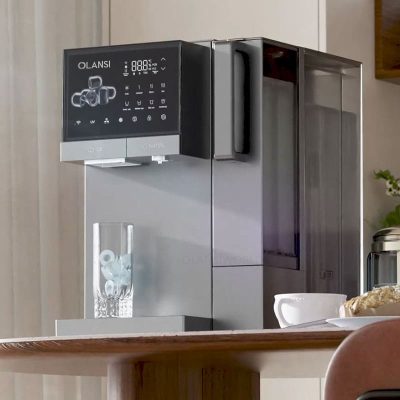
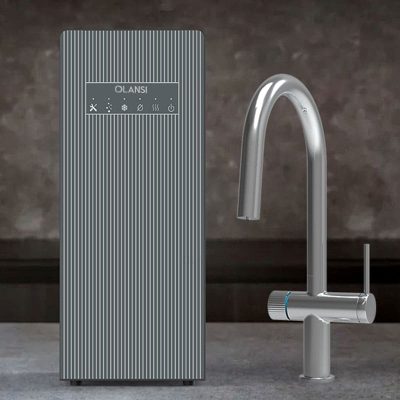
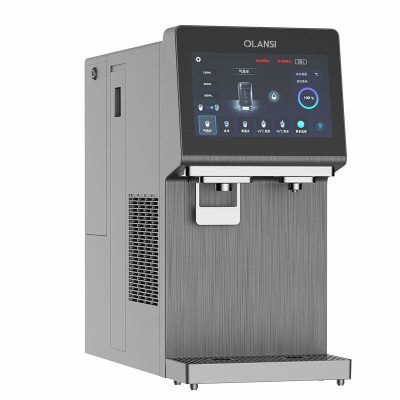
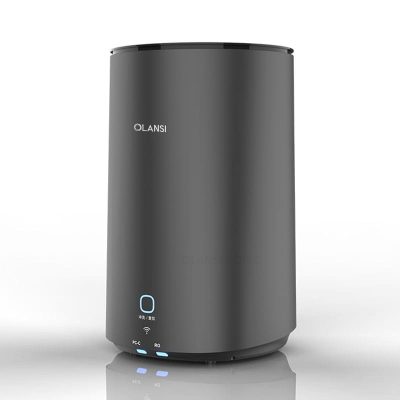
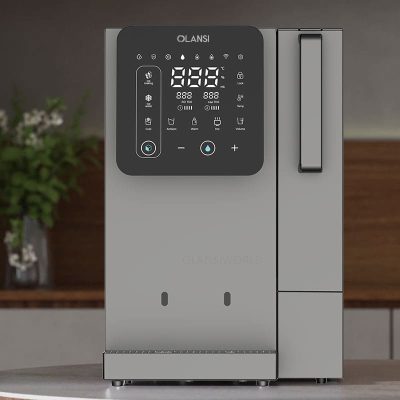
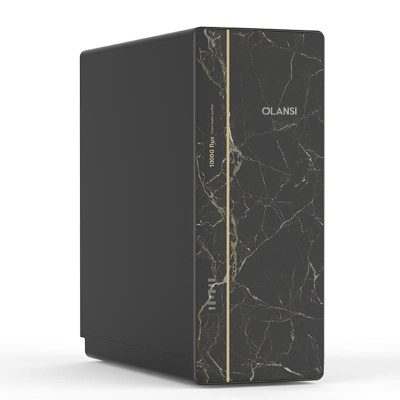
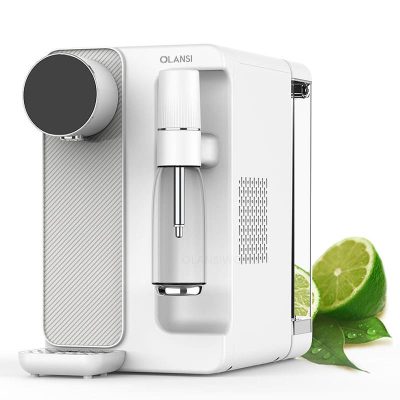
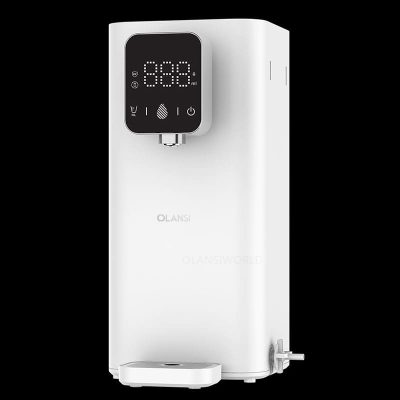
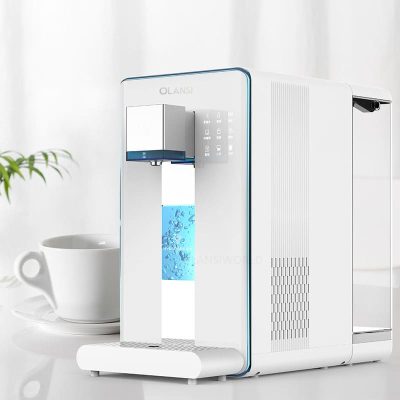
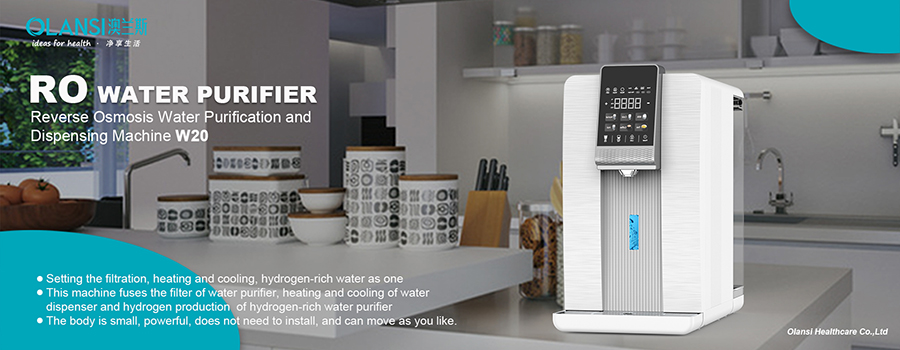
For many, the water dispenser is an unsung hero, tirelessly providing hot and cold water, day after day. But what if I said neglecting its care could turn your trusty dispenser into a pricey paperweight? Let’s dive into how regular maintenance keeps these indispensable appliances humming.
To make your water dispenser last longer, clean it regularly, replace its filters on time, and match its capacity to your actual water consumption needs.


Skipping maintenance isn’t just a money problem. It can lead to poor water quality, clogged filters, or even microbial infestations—especially in humid environments. Let’s explore why turning attention to these matters can save you time, money, and a world of frustration.
Water dispensers may look sleek, shiny, and modern, but without proper cleaning, they could host a microscopic horror show. Ever wondered what goes on inside when humidity meets neglect? Spoiler alert: It’s not pretty.
Keeping your dispenser free from dirt and residue prevents bacteria and mold from growing and keeps your water clean and safe for consumption.
Neglected machines often lead to foul tastes and weird smells in the water. Routine cleanings prevent these issues. For those who dread scrubbing, don’t worry! Many dispensers come apart easily for faster cleaning. A quick tip: If you live in a humid region, clean your dispenser more frequently or it may unintentionally invite unwelcome microbial roommates.
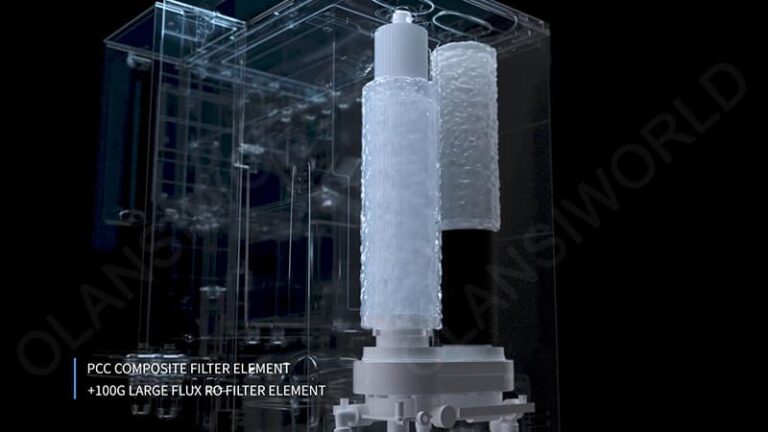
Those little cartridges in your dispenser are the true MVPs. Filters remove nasties like chlorine and heavy metals. But after months of hard work, filters are like exhausted accountants after tax season—they just can’t do the job anymore.
Replacing filters according to your machine’s guidelines ensures that your water stays pure and prolongs your dispenser’s life.
Different filters have different lifespans based on your local water quality and how often you use the dispenser. Hard water? Your filter may be working overtime. Light water use? The filter might last longer. It’s also worth noting that skimping on filter replacement can result in impurities flowing straight into your cup, turning that “filtered water experience” into unfiltered disappointment.
Many consumers believe buying large-capacity dispensers gives them better bang for their buck. But size isn’t everything—unless you’re hosting several Olympic swim teams. For the average household or office, chasing “bigger” might just mean extra upfront costs.
Choose a dispenser model based on your actual water-needs rather than blindly going for high-capacity models. Efficiency often beats scale.


Let me share an example: If your family’s daily consumption is 5 liters, there’s no need to invest in a 20-liter mega-dispenser. By opting for a model tailored to your use, you’re reducing maintenance needs, energy consumption, and overall operational cost. Plus, let’s be honest, that smaller model won’t turn your kitchen into a crowded appliance jungle.
Let’s address the elephant in the showroom: budget-friendly dispensers. Consumers are often tempted by bargain deals. But sometimes, cheap dispensers are the fast-food equivalent of appliances—easy to buy but not great for health.
While affordable machines may work initially, their long-term durability and water filtration effectiveness could drain your wallet with repair costs and frequent replacements.
Don’t let flashy price tags fool you. Look for certifications like NSF and reputable brands to ensure quality. Cheap components often fail within months, requiring you to invest in a new machine sooner than you planned. And trust me, drinking water from filters made of questionable-quality materials isn’t worth the health risk.
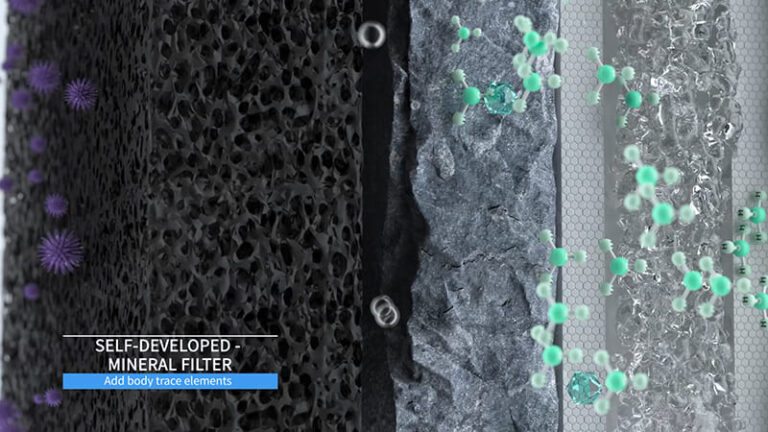
Let’s geek out over filter types for a moment. Are reverse osmosis (RO) filters worth the hype? There’s controversy over whether they strip essential minerals from water. To combat this, some dispensers add minerals back afterward. Sounds genius, right? Well, it’s not.

Filter technology balances purity with safety. Avoid “mineral-readd” gimmicks that lack long-term stability or quality control.
RO filters might reduce TDS (total dissolved solids) inside water, but post-mineral injects can have fluctuating stability and add questionable benefits. Strontium here, unknown elements there—why risk it? Instead, focus on filters that reliably remove contaminants. Remember, your water dispenser should simplify hydration, not complicate it.
Maintaining a water dispenser boils down to three principles: clean it often, replace filters on time, and pick models suited to your lifestyle. By sticking to these steps and avoiding cheap shortcuts, your dispenser stays reliable, your water delicious, and your wallet happy!
Certifications
OLANSI Repsects Quality Standards


Something isn’t Clear?
Feel free to contact me, and I will be more than happy to answer all of your questions.
Enter you email below, so we can send you this valuable report.