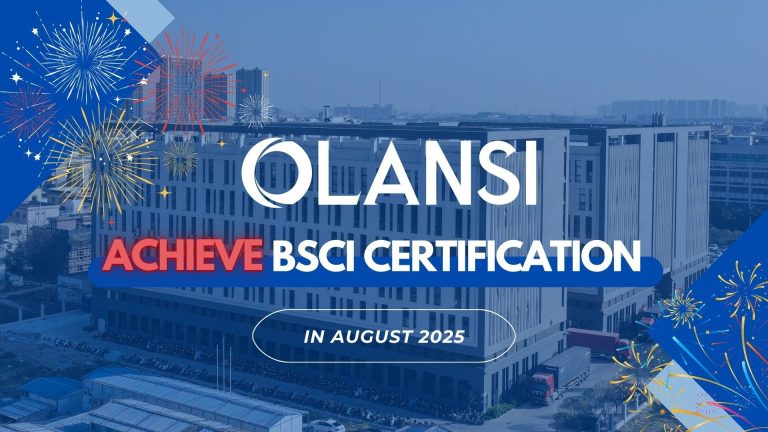
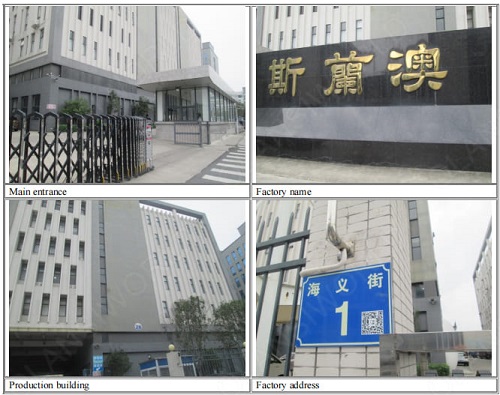
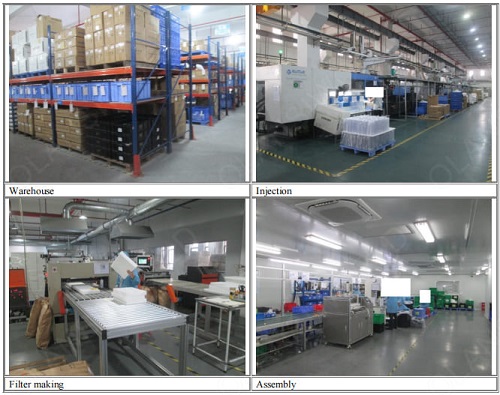
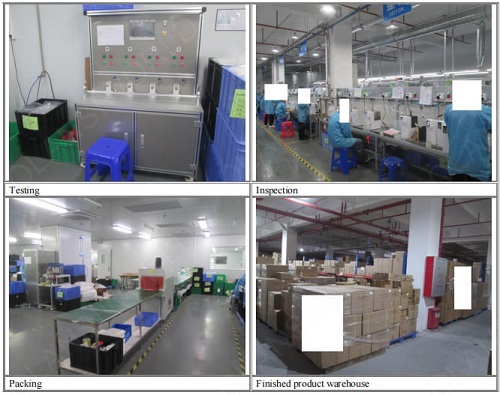
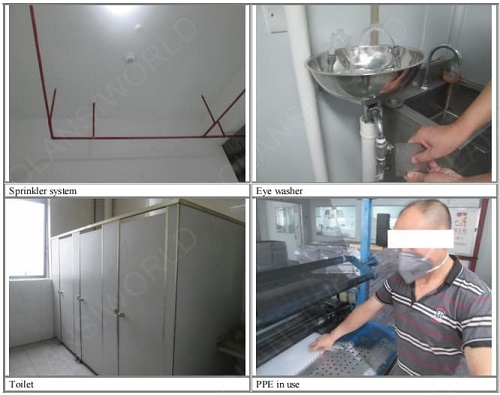
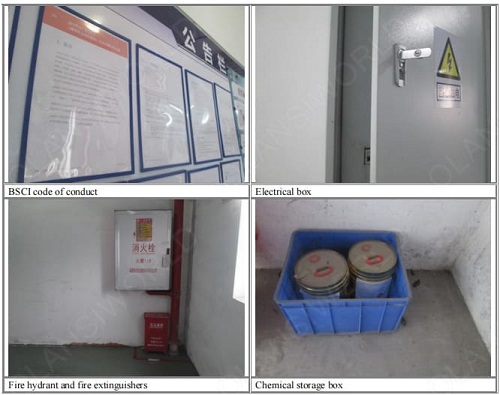
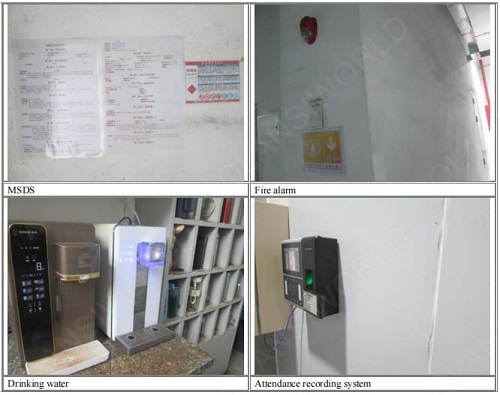
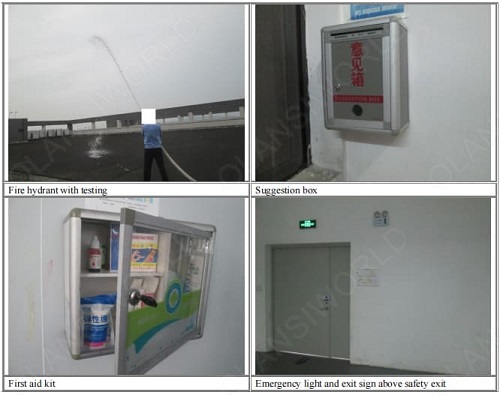
In August 2025, OLANSI proudly passed the BSCI (Business Social Compliance Initiative) certification, marking another milestone in our commitment to responsible manufacturing and sustainable development.
This certification not only reflects our dedication to fair labor practices, environmental responsibility, and ethical supply chain management, but also strengthens trust with our global partners. For customers and distributors, it means OLANSI products are created in facilities that uphold internationally recognized social and environmental standards.
More and more global brands require their suppliers to hold BSCI certification. Without it, opportunities for cooperation and international expansion can be severely limited. So what exactly does BSCI mean for manufacturers like us?
BSCI (Business Social Compliance Initiative) certification is a globally recognized social responsibility standard that ensures factories follow labor rights, workplace safety, and compliance requirements. Our factory was successfully certified in August 2025, meaning that brands partnering with us can more easily access international markets while minimizing compliance risks.
The following section answers the most common questions international buyers ask about BSCI.
BSCI, short for Business Social Compliance Initiative, was launched by the Foreign Trade Association (FTA) in Brussels in 2003. It was designed to create a unified code of conduct for supply chains worldwide.
The certification requires factories to comply with standards on:
• Working hours and wages,
• Occupational health and safety,
• Environmental protection,
• Anti-discrimination and fair treatment of employees.
In simple terms, BSCI certification acts as a “passport” for suppliers. Without it, factories are often excluded from the preferred supplier lists of leading global brands.
The process is not a one-off approval but rather a cycle of improvement. Typical steps include:
• Authorization by a BSCI member – A factory cannot apply independently; it must be nominated by a buyer who is a BSCI member.
• Document preparation – Records such as labor contracts, payroll, safety procedures, and environmental management documents must be submitted.
• On-site audit – A third-party audit company visits the facility to check compliance with labor rights, workplace safety, and environmental standards.
• Corrective actions – Non-compliances are required to be corrected and reported.
• Certification and renewal – Once standards are met, certification is granted. It is valid for one year and requires periodic re-audits.
This cycle ensures that the certification is not just a piece of paper, but proof of continuous responsibility and improvement.1
Factories and buyers benefit in multiple ways when BSCI certification is achieved:
Greater brand trust – International customers are more willing to work with certified factories.
Easier access to global supply chains – Many brands now require BSCI as an entry-level condition.
Reduced audit fatigue – A single BSCI audit can satisfy multiple buyers, reducing repeated factory inspections.
Lower risks – Legal and financial risks related to labor disputes or non-compliance are minimized.
Better management systems – Internal improvements in efficiency and worker satisfaction are often seen as a result.
The application cannot be made directly by a factory. Instead:
• A BSCI member buyer must authorize the audit.
• An approved third-party auditing company is then selected.
• The factory must cooperate with the audit, provide documentation, and follow corrective actions where necessary.
For this reason, most factories only pursue BSCI certification once it is required by an important customer.
For manufacturers like us, BSCI certification carries unique importance:
• Meeting brand requirements
Global household appliance brands, require suppliers to follow responsible sourcing practices. Certification ensures that expectations are met.
• Facilitating international expansion
Exporting to markets such as the EU or North America is easier when certification has been obtained. These regions have strict compliance requirements not only for product safety but also for labor and environmental standards.
• Strengthening product credibility
When customers learn that our factory was successfully certified in August 2025, confidence in our water dispensers and purifiers is immediately strengthened.
• Securing long-term partnerships
By reducing the need for repeated audits, cooperation with international brands becomes more efficient and sustainable.
Confusion often arises between these certifications. Their focus areas can be distinguished as follows:
• BSCI Certification: Concentrates on social responsibility, employee welfare, and working conditions.
• Sedex / SMETA Audits: Similar in focus, but commonly required by UK-based retailers and companies.
• ISO Certifications: Such as ISO 9001 (quality management) or ISO 14001 (environmental management). These emphasize operational systems rather than social responsibility.
In short, BSCI is the most critical certification for entry into global consumer brand supply chains, while ISO and Sedex provide complementary recognition.
Verification is relatively straightforward:
• Through the official BSCI website – Information about registered factories can be checked on the amfori website.
• Via member platforms – Buyers who are part of amfori BSCI can directly access supplier audit reports.
• By BSCI certification logo – Use of the logo is permitted, but only in line with official guidelines to avoid misuse.
This transparency gives buyers confidence that certifications are genuine and up to date.
BSCI certification is more than a document—it is a passport to global markets and trusted supply chains. Our factory achieved BSCI certification in August 2025, ensuring that our water dispensers and water purifiers meet the requirements of leading brands worldwide. For companies looking to secure reliable, socially responsible partners, cooperation with us opens doors to safer and faster global expansion.
Certifications
OLANSI Repsects Quality Standards


Something isn’t Clear?
Feel free to contact me, and I will be more than happy to answer all of your questions.
Enter you email below, so we can send you this valuable report.